Upholstery Cleaning in Your Home: A Practical, Fresh, and Long-Lasting Approach
Upholstery cleaning in any home is one of the most effective ways to refresh interiors, protect furniture, and create a healthier living environment. Sofas, armchairs, dining chairs, ottomans, and sectionals all collect dust, body oils, crumbs, pet hair, allergens, and everyday stains over time. While many people focus on floors and carpets, upholstery often gets overlooked until the fabric looks dull, smells stale, or feels sticky. Regular upholstery cleaning helps restore the appearance of furniture while extending its lifespan and improving indoor comfort.
When upholstery is cleaned properly, a room can feel brighter, cleaner, and more inviting almost immediately. Fabric fibers trap particles deep within the weave, which means routine vacuuming alone is not always enough. Professional upholstery cleaning or a careful DIY method can remove hidden buildup and help preserve delicate fabrics. Whether your goal is to tackle stains, eliminate odors, or simply maintain a polished look, understanding the right cleaning approach matters.
For homeowners, renters, families with children, and pet owners alike, upholstery cleaning in the home is not just about appearance. It can also support better hygiene and reduce allergens circulating in the air. Clean furniture contributes to a more pleasant space, and it can make a noticeable difference in the way a living room or office feels. If you want long-term value from your furniture, upholstery care should be part of your regular maintenance routine.
Why Upholstery Cleaning Matters for Everyday Living
Furniture is used every day, which means it absorbs far more than people realize. Even when upholstery looks clean, microscopic dust, skin cells, pollen, and oils can settle into the fabric. Over time, this buildup can create odors, discoloration, and a worn appearance. Upholstery cleaning in residential spaces helps remove these materials before they become embedded deep in the fibers.
Another reason upholstery cleaning matters is that furniture often acts like a filter. It catches airborne particles that would otherwise continue circulating around the room. For households with allergies or asthma concerns, regular upholstery cleaning may help reduce triggers and support a more comfortable indoor environment. This is especially relevant for homes with pets, children, or frequent visitors.
Clean upholstery also improves the overall look of a space. A sofa that appears faded or stained can make an entire room seem older or less cared for, even if the rest of the home is spotless. Fresh, well-maintained upholstery creates a sense of cleanliness and attention to detail. In many cases, proper upholstery cleaning is a cost-effective way to refresh furniture without replacing it.
Common Types of Upholstery and How They Respond to Cleaning
Not all upholstery fabrics react the same way to cleaning products or moisture. Cotton, linen, microfiber, polyester, wool blends, leather, and synthetic fabrics each require a different level of care. Before starting any upholstery cleaning process, it is important to check the manufacturer’s tag or care label. This tag usually indicates whether the fabric can handle water-based cleaners, solvent-based solutions, or professional treatment only.
Fabric upholstery is common in sofas and chairs because it offers comfort and variety. However, fabric can absorb liquids quickly, which makes stain removal more challenging. Professional upholstery cleaning often uses specialized extraction or low-moisture methods that clean deeply without oversaturating the material. This is useful for households that want a deeper refresh without risking shrinkage or water marks.
Leather upholstery needs a different approach. It should be cleaned with pH-balanced products that remove grime without stripping natural oils from the surface. Regular dusting, gentle wiping, and conditioning help maintain softness and prevent cracking. Synthetic fabrics are often more forgiving, but they still benefit from careful upholstery cleaning to avoid residue and preserve texture.
Signs Your Furniture Needs Attention
Some signs are obvious, while others are subtle. Look for the following indicators that upholstery cleaning is overdue:
- Visible stains or water spots
- Lingering odors from pets, food, or smoke
- Dull or uneven fabric appearance
- Dust or debris settling into seams
- Increased allergy symptoms indoors
How Upholstery Cleaning Works in Practice
The upholstery cleaning process generally begins with inspection. A technician or homeowner evaluates the fabric type, stain severity, and overall condition of the furniture. This step is essential because it determines which cleaning method is safest and most effective. For example, heavily soiled fabric may require pre-treatment, while delicate upholstery may need a gentler, low-moisture approach.
Next comes vacuuming. This is more important than many people think, because dry soil and dust can scratch fibers during the cleaning process if left in place. Vacuuming with the correct attachment loosens debris from seams, cushions, and crevices. After that, targeted stain treatment may be applied to break down grease, food residue, or pet-related spots. Careful stain removal is often one of the most valuable parts of upholstery cleaning.
The main cleaning step may involve hot water extraction, steam-based methods, dry cleaning compounds, or foam cleaning, depending on the fabric. Each method has strengths. Hot water extraction can remove deep dirt, while low-moisture cleaning reduces drying time and fabric stress. Once the cleaning is complete, airflow is often used to speed drying and prevent mildew. The end result is upholstery that looks fresher and feels cleaner.
Why Professional Equipment Makes a Difference
Professional upholstery cleaning equipment is designed to lift dirt from deep within the fibers without damaging the material. Higher-quality tools can provide controlled moisture, stronger suction, and more precise stain treatment. This often leads to better results than standard household cleaning tools.
DIY Upholstery Cleaning vs. Professional Services
Many homeowners wonder whether they should clean upholstery themselves or hire a specialist. The answer depends on the condition of the furniture, the fabric type, and the type of stain involved. DIY upholstery cleaning can be effective for light maintenance, small surface stains, and routine refreshes. However, it requires caution, patience, and the right products.
Professional upholstery cleaning is often the better option for delicate fabrics, large sectionals, deep odors, pet accidents, or long-ignored stains. Experts know how to test fabric safety, choose proper solutions, and avoid over-wetting. They can also address hidden issues such as odor trapped in padding or embedded grime along seams. For busy households, professional care is often worth the investment because it saves time and reduces the risk of damage.
Still, many people prefer a combined approach. Regular vacuuming and spot treatment can keep furniture in good shape between professional appointments. This balanced strategy supports long-term upholstery maintenance and helps prevent stains from setting permanently. If you clean spills quickly and schedule deeper cleaning periodically, your furniture may stay attractive for years.
Simple Benefits of DIY Maintenance
- Convenient for minor spills and freshening up fabric
- Lower upfront cost for routine upkeep
- Useful between professional visits
- Helps prevent stains from becoming permanent
Best Practices for Upholstery Cleaning in the Home
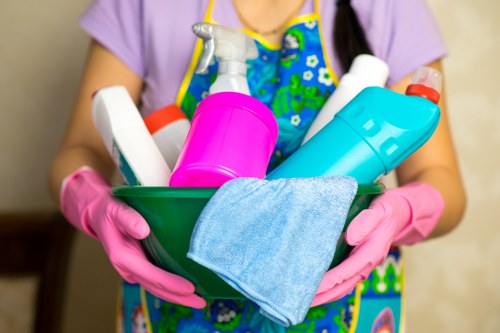
Effective upholstery cleaning starts with prevention. Using throws, cushion covers, and fabric-safe protectants can reduce daily wear and tear. Keeping food and drinks away from fabric furniture also helps minimize the risk of spills. Small habits can make a major difference over time, especially in high-traffic rooms.
Vacuuming upholstery regularly is one of the easiest ways to maintain a clean appearance. Aim to vacuum cushions, arms, backrests, and seams at least once a week if the furniture gets frequent use. This removes surface debris before it settles deeper into the fabric. Routine upholstery cleaning is less about dramatic rescue and more about consistency.
Spot cleaning should be done carefully. Blot, do not rub, when a spill occurs, as rubbing can push the stain deeper into the fibers. Use a fabric-safe solution and test it on a hidden section first. If the spot spreads, changes color, or leaves a ring, stop immediately and consider professional help. The goal is to clean the area without creating a larger problem.
Helpful Maintenance Habits
- Vacuum furniture weekly.
- Blot spills immediately.
- Rotate cushions to reduce uneven wear.
- Keep pets off sensitive fabrics when possible.
- Schedule deep upholstery cleaning as needed.
These simple habits protect your investment and keep furniture looking its best. Even small efforts can improve the outcome of upholstery cleaning and reduce the need for intensive restoration later.
Stain Removal Tips for Upholstery Cleaning
Stains are one of the most common reasons people seek upholstery cleaning. Food, coffee, wine, makeup, ink, mud, and pet-related accidents all leave marks that can be difficult to remove once they dry. The faster you respond, the better your chances of success. Fresh stains are always easier to manage than older ones.
For liquid spills, use a clean absorbent cloth to blot the area gently. Avoid saturating the fabric with water, since excess moisture can spread the stain or affect the padding beneath. For greasy spots, a fabric-safe degreasing solution may help break down the residue. Patience and precision are important because aggressive scrubbing can damage the weave.
Odor-causing stains require special attention. Pet accidents, smoke exposure, and spilled food can leave lingering smells even after the surface looks clean. In these cases, upholstery cleaning should address both the visible mark and the source of the odor. Deodorizing products, enzyme treatments, and extraction methods can be especially useful.
When to Avoid Harsh Products
Strong chemicals may seem effective, but they can discolor fabric, leave residue, or weaken delicate fibers. Avoid bleach, abrasive powders, and overly acidic solutions unless the manufacturer specifically recommends them. Safer cleaning products are usually the best choice for long-lasting upholstery care.
How Often Should Upholstery Be Cleaned?
The right schedule for upholstery cleaning depends on how much a piece of furniture is used. A lightly used guest room chair may only need periodic attention, while a family sofa in daily use may require more frequent cleaning. Homes with pets, children, smokers, or allergy sufferers often benefit from a more regular schedule.
In general, vacuuming should happen weekly, while deeper upholstery cleaning may be needed every 6 to 18 months. Heavily used furniture may need attention sooner. If a sofa develops odor, visible discoloration, or persistent stains, do not wait for the usual schedule. Acting early can help prevent permanent damage and keep the fabric in better condition.
Seasonal cleaning can also be a good approach. Many homeowners choose to refresh upholstery during spring cleaning or before hosting guests. This keeps the home feeling tidy and supports overall indoor freshness. A consistent routine is one of the smartest ways to get the most from upholstery cleaning.
Choosing the Right Products for Safe Results
Using the right products is central to successful upholstery cleaning. The best cleaner depends on the fabric type, the stain, and whether the item can handle water. A mild upholstery shampoo, a low-residue fabric cleaner, or a specialized leather solution may all be appropriate in different situations. Always read labels and perform a hidden spot test first.
Microfiber cloths, soft brushes, and upholstery attachments can help lift dirt without causing friction damage. Steam should be used carefully because not every fabric can tolerate heat. When in doubt, a conservative approach is safer than using too much product. Effective upholstery cleaning should improve the furniture, not compromise it.
For people concerned about indoor air quality, fragrance-free and low-VOC products may be preferable. These options can reduce harsh chemical odors and create a more comfortable cleaning experience. If you prefer environmentally mindful cleaning, there are also plant-based upholstery cleaning solutions that work well on routine grime.
Benefits Beyond Appearance
Many people think of upholstery cleaning as a cosmetic task, but the benefits go much further. Clean furniture can support healthier air quality, reduce trapped allergens, and make a room more comfortable. It can also help preserve the texture and color of the fabric, which protects your investment over time.
Another benefit is odor control. Upholstered items often absorb smells from cooking, pets, moisture, and smoke. Regular upholstery cleaning helps remove these odors at the source instead of masking them. This makes the home feel cleaner and more welcoming.
There is also a financial advantage. Replacing furniture is expensive, especially when quality materials are involved. Proper upholstery maintenance can delay replacement and improve the lifespan of sofas, chairs, and other upholstered pieces. In that sense, upholstery cleaning is both practical and economical.
Key Advantages at a Glance
- Improved indoor freshness
- Better appearance and fabric color retention
- Reduced allergens and dust buildup
- Longer furniture lifespan
- Better value from your home furnishings
Seasonal Care and Long-Term Upholstery Maintenance
Seasonal changes can affect how upholstery looks and feels. In wet months, moisture and mud may increase the risk of stains. During dry seasons, dust can settle more quickly into fabric. Adjusting your cleaning routine based on the season can help keep furniture in better shape all year long.
Long-term maintenance includes more than just occasional deep cleaning. It involves regular vacuuming, prompt spill cleanup, cushion rotation, and mindful daily use. Avoid placing upholstery in direct sunlight for long periods if possible, because UV exposure can fade fabric over time. Keeping furniture away from harsh conditions supports lasting color and texture.
If your home has especially high use, consider adding a professional upholstery cleaning appointment to your yearly maintenance plan. Pairing routine care with periodic deep cleaning helps prevent buildup and protects the furniture from premature aging. Over time, this consistent approach pays off in both appearance and durability.
A Smart Maintenance Mindset
Upholstery cleaning in the modern home is not just a reaction to visible dirt. It is a proactive habit that protects comfort, health, and style. By treating furniture with care and responding quickly to spills and odors, you can keep your space looking fresh without unnecessary stress.
Final Thoughts on Upholstery Cleaning
Upholstery cleaning is one of the simplest ways to improve the look, feel, and cleanliness of your home. Whether you choose a DIY approach for routine upkeep or rely on professional services for deep cleaning and stain removal, the benefits are clear. Cleaner upholstery means fresher rooms, better hygiene, and furniture that lasts longer.
It is easy to underestimate how much dirt fabric furniture collects, but regular care makes a visible difference. The right cleaning methods protect fibers, reduce odors, and help maintain a welcoming atmosphere in every room. From sofas and armchairs to dining seats and accent pieces, upholstery deserves the same attention as other surfaces in your home.
If your furniture has started to look tired, smell stale, or show signs of wear, now is a great time to act. Contact us today to learn more about upholstery care options, or book your service now to bring freshness back into your living space. A cleaner home starts with the details, and upholstery cleaning is one detail that truly matters.