Stain Removal in Everyday Life: Practical, Effective, and SEO-Friendly Methods for Cleaner Fabrics and Surfaces
Stain removal is one of those everyday topics that affects nearly every home, business, and workplace. Whether you are dealing with a fresh coffee spill on a shirt, a grease mark on upholstery, or an ink blot on a favorite tablecloth, fast and informed stain removal can make the difference between a quick fix and permanent damage. People search for stain removal tips because they want results that are safe, affordable, and effective. In this article, we will explore stain removal in detail, with simple techniques, smart product choices, and preventive habits that make cleaning less stressful.
What makes stain removal so important is that different stains behave differently. A protein-based stain like blood responds differently from oil-based stains, while tannins from tea or wine need another approach. By understanding stain removal methods, you can save time, protect fabrics, and maintain the look of your clothes, carpets, and furniture. This article covers practical stain removal strategies using household items, commercial products, and professional-level best practices in a way that is easy to follow and useful for a wide audience.
When people talk about stain removal, they often think only about laundry. In reality, stain removal applies to upholstery, hard surfaces, shoes, rugs, curtains, kitchen surfaces, and more. Knowing how to treat a stain early is one of the smartest cleaning habits you can build. Below, you will find structured advice, useful lists, and clear steps that help you handle many common cleaning challenges with confidence.
Why Stain Removal Matters for Homes and Businesses
Stain removal is not just about appearance; it is also about hygiene, preservation, and value. In homes, quick stain removal can stop discoloration from spreading and prevent odors from setting into fibers. In businesses, a clean environment supports brand image, customer satisfaction, and product longevity. From office chairs to restaurant linens, stain removal plays a role in how spaces look and feel every day.
One of the biggest benefits of effective stain removal is preventing permanent damage. The longer a stain sits, the more likely it is to bond with the material. Some stains seep deeper into fibers, while others oxidize and darken over time. By acting quickly and choosing the right method, you improve your chances of complete stain removal without harsh scrubbing or costly replacements.
Another reason stain removal matters is that it can reduce waste. Instead of discarding clothing, rugs, or furniture due to one accident, you can often restore the item with the right treatment. That makes stain removal an environmentally friendly habit as well. Smart cleaning helps extend the life of the things you already own.
Common Areas Where Stain Removal Is Needed
Stain removal is frequently needed in the following places:
- Clothing and uniforms
- Carpets and rugs
- Upholstered furniture
- Kitchen countertops and appliances
- Bathroom surfaces
- Mattresses and bedding
- Cars and travel items
Each surface needs a slightly different approach, but the core principle remains the same: identify the stain, choose the right cleaner, and avoid making the stain worse.
Understanding the Types of Stains
Successful stain removal starts with identifying what caused the stain. Not every mark should be treated the same way. Some stains are water-based and respond well to mild detergent, while others require solvents or specialized cleaning agents. Knowing the category helps you choose the safest and most effective stain removal method.
Protein stains include blood, sweat, eggs, milk, and other biological materials. These stains usually need cold water and enzymatic or gentle cleaning approaches. Using hot water too early can set them permanently, making stain removal much harder. That is why temperature matters so much in the stain removal process.
Oil-based stains come from grease, makeup, lotion, cooking oil, and motor oil. These stains resist plain water because oil and water do not mix well. For stain removal, degreasing agents, dish soap, or absorbent powders often work best. The earlier you treat the stain, the easier it is to lift the residue before it binds tightly to the material.
Other Common Stain Categories
- Tannin stains: coffee, tea, wine, fruit juice
- Dye stains: markers, colored drinks, cosmetics
- Rust stains: metal transfer, oxidation marks
- Ink stains: pens, printers, permanent markers
- Dirt and mud: soil, dust, outdoor debris
Each category requires a slightly different stain removal strategy. For example, tannin stains may respond well to oxygen-based cleaners, while rust stains often need a specialized acidic treatment. Ink stains can be especially stubborn, so careful blotting and solvent use are key.
Fast Stain Removal Steps for Best Results
The sooner you begin stain removal, the better your chances of success. Quick action helps stop the stain from soaking deeper into fibers or setting into a surface. Even if you do not have specialty products on hand, a calm and organized response can improve results significantly. Speed, patience, and the correct method are the foundation of effective stain removal.
Start by blotting, not rubbing. Rubbing can spread the stain and push it deeper into fabric or carpet fibers. Use a clean cloth, paper towel, or absorbent pad to lift as much excess liquid as possible. This first step is simple, but it is often the most important part of stain removal.
Next, test any cleaning solution on a hidden area. This protects delicate materials from discoloration or damage. After testing, apply the cleaner from the outside of the stain toward the center. This technique keeps the stain from spreading and makes the stain removal process more controlled.
Simple Stain Removal Routine
- Remove excess material gently.
- Blot the area with a dry cloth.
- Apply a suitable cleaning solution.
- Let it sit for the recommended time.
- Blot again and rinse if needed.
- Repeat only if the material allows it.
This routine works for many common stain removal situations, especially when the stain is fresh. It is important to avoid mixing random cleaners, especially bleach and ammonia-based products, because that can create dangerous fumes and damage surfaces.
Stain Removal on Clothing and Fabric
Clothing stain removal is one of the most searched topics because spills happen constantly in daily life. Coffee on a shirt, salad dressing on a blouse, or grass on jeans can all feel frustrating, but many fabric stains can be treated successfully with the right approach. The key is to identify the material, check the care label, and choose the safest stain removal method for that fabric.
For washable fabrics, cold water and a gentle liquid detergent are often the first line of defense. If the stain is oily, a small amount of dish soap may help break down the residue. For protein stains, cold water is essential. For tannin stains, a stain remover or oxygen-based cleaner may deliver better results. Good stain removal depends on matching the stain type to the treatment.
Delicate fabrics such as silk, wool, and rayon need extra care. These materials can shrink, stretch, or discolor if treated too aggressively. In such cases, careful spot testing and minimal moisture are wise. If the item is valuable or fragile, professional stain removal services may be the safer choice.
Fabric Stain Removal Tips
- Always check the care label before washing.
- Use cold water for blood, sweat, and many food stains.
- Blot liquid stains immediately instead of rubbing.
- Avoid heat until the stain is fully gone.
- Air-dry the item before using a dryer.
Heat can lock in stains, especially protein and tannin-based marks. That is why so many stain removal mistakes happen in the laundry room. If you are uncertain, it is safer to repeat a gentle treatment than to rush into hot water or dryer heat too soon.
Stain Removal for Carpets, Rugs, and Upholstery
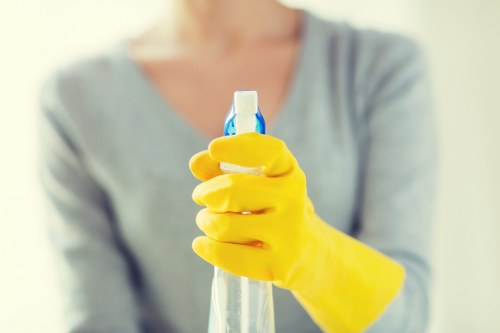
Carpet and upholstery stain removal requires extra caution because these surfaces are harder to rinse and dry than clothing. Too much liquid can lead to moisture problems, odors, or even mold. That is why controlled application and thorough blotting are essential. When doing stain removal on carpets, the goal is to clean the stain without oversaturating the padding beneath.
For many spills, a mix of mild dish soap and warm water can work well on synthetic carpet fibers. However, always test first. For food and drink spills, blot up as much as possible before applying any cleaner. Once the stain begins to lift, continue blotting with a clean, damp cloth. Avoid scrubbing, which can fray the fibers and spread the stain.
Upholstery stain removal depends on the fabric type and the furniture construction. Some upholstery can tolerate more moisture, while others require foam cleaners or dry methods. If the tag includes cleaning codes, follow them carefully. This is one of the most overlooked parts of stain removal, but it can prevent costly damage and discoloration.
Best Practices for Soft Surfaces
- Blot immediately with a microfiber cloth.
- Use minimal liquid to avoid soaking the material.
- Work from the outer edge inward.
- Allow airflow to speed drying.
- Use a fan if needed to reduce drying time.
For stubborn stains on carpets or upholstery, a second or third application may be needed. Still, each round should be gentle. Effective stain removal is usually about patience rather than force. If the stain persists, professional extraction or steam cleaning may provide better long-term results.
Natural Stain Removal Solutions That Work
Many people prefer natural stain removal products because they are affordable, easy to find, and often safer for daily use. Baking soda, white vinegar, lemon juice, and salt are all common household ingredients used in stain removal. While they are not miracle solutions, they can be surprisingly effective when matched to the right stain type.
Baking soda is useful for absorbing moisture and odor, especially on grease and organic stains. White vinegar can help dissolve mineral buildup and some discoloration, although it should not be used on every surface. Lemon juice may brighten certain stains, but because it is acidic, it should be used cautiously on colored fabrics. Salt can help absorb fresh spills such as wine or coffee before they set. These natural stain removal helpers can be valuable tools in your cleaning cabinet.
However, natural does not always mean safe for every material. Acidic ingredients may harm stone countertops, and abrasive powders may scratch delicate finishes. Strong stain removal requires knowledge of both the stain and the surface. Always test first and use the least aggressive solution that can still get the job done.
Popular Household Stain Removal Ingredients
- Baking soda for odor and moisture absorption
- White vinegar for some mineral and food stains
- Dish soap for oil and grease stains
- Hydrogen peroxide for certain organic stains
- Salt for fresh liquid spills
These ingredients can be part of a practical stain removal toolkit, especially for routine household cleaning. They are not always a replacement for specialized products, but they can reduce the need for harsh chemicals when used correctly.
Commercial Stain Removal Products: When to Use Them
Sometimes home remedies are not enough, and commercial stain removal products are the better choice. These products are formulated to target specific stain types, such as enzyme cleaners for protein stains, solvent-based removers for oily marks, or oxygen boosters for colored stains. When used according to the instructions, they can improve cleaning performance and save time.
Choosing the right product matters. A product meant for laundry may not work the same way on upholstery, and a carpet cleaner may not be safe for silk. Read the label carefully and look for the stain removal category it targets. Also consider whether the product is safe for colors, delicate fabrics, pets, or children if those factors apply to your home.
For frequent stain removal, it helps to keep a few basics on hand: a gentle liquid detergent, an enzyme cleaner, an oxygen-based stain remover, and microfiber cloths. This small inventory covers many common situations without making your cleaning routine complicated. Good stain removal planning means you are ready before an accident happens.
What to Look for on the Label
- Surface compatibility
- Stain type targeted
- Required dwell time
- Rinsing instructions
- Safety warnings and storage advice
Product labels often contain the difference between success and failure. Following the instructions helps protect your fabrics while improving stain removal results. If in doubt, choose a gentler product first and escalate only if necessary.
Stubborn Stains: What to Do When the First Attempt Fails
Some stains are notoriously stubborn, especially ink, wine, set-in grease, rust, and dye transfer. When the first stain removal attempt fails, it does not necessarily mean the item is ruined. It may simply mean you need a different approach or more time. The worst thing you can do is overwork the area with repeated aggressive scrubbing.
For stubborn stains, try alternating between blotting and a fresh treatment method. For example, if detergent does not help an oily stain, a degreaser or enzyme cleaner may be more suitable. If a food stain remains, an oxygen-based product may lift the color more effectively. Effective stain removal often involves experimentation in small, safe steps.
It is also useful to know when to stop. Some stains, especially on older fabrics, may have permanently altered the dye or fiber. At that point, further treatment may cause more harm than good. In those cases, consider professional stain removal or replacement rather than damaging the item further.
Warning Signs You Should Be Careful
- The fabric starts to fade or bleed
- The stain spreads after treatment
- The material becomes rough or weakened
- There is a strong chemical smell
- The stain does not change after multiple attempts
These signs mean you should pause and reassess. Stain removal should improve the item, not create a larger problem. A cautious approach is often the smartest one.
Preventive Habits That Make Stain Removal Easier
One of the best ways to reduce cleaning stress is prevention. While no one can avoid every spill, a few habits can make stain removal much easier when accidents happen. For example, using protective table covers, applying fabric protectors where appropriate, and keeping cleaning wipes nearby can help minimize long-term damage.
In the kitchen, being mindful during cooking and serving can prevent many common oil and sauce stains. In closets, sorting delicate and heavy-duty items separately can make laundry stain removal simpler. In cars, keeping an emergency cleaning kit in the trunk can help you address spills before they set. Prevention does not eliminate the need for stain removal, but it makes the process more manageable.
Developing a response routine also helps. If everyone at home knows to blot spills quickly, avoid heat, and report stains early, you reduce the chance of permanent marking. That kind of organized thinking turns stain removal from a stressful event into a normal household skill.
Prevention Tips Worth Following
- Use placemats and coasters.
- Keep stain remover in the laundry area.
- Treat spills immediately.
- Avoid heat-drying until stains are gone.
- Store cleaning cloths where they are easy to reach.
These small habits support faster stain removal and better long-term fabric care. Over time, they can save money and reduce frustration.
Professional Stain Removal and When It Makes Sense
Although many stains can be handled at home, some situations call for professional stain removal. This is especially true when the item is valuable, delicate, oversized, or deeply stained. Professional cleaners often have specialized solvents, extraction equipment, and experience handling difficult fabrics and surfaces. Their expertise can make a major difference in stain removal outcomes.
Examples include wedding dresses, antique rugs, designer upholstery, and large carpeted areas. If a stain has been present for a long time, or if previous cleaning attempts have made it worse, professional stain removal may be the safest route. This can preserve the item and prevent costly mistakes caused by experimentation at home.
Professional cleaning is also useful when odors accompany the stain, especially with pet accidents, smoke residue, or moisture-related discoloration. In these cases, stain removal may need to be paired with deodorizing and deep extraction for the best result. Sometimes the smartest choice is to call in expert help early rather than risk making the problem harder to fix.
When Professional Help Is Worth Considering
- High-value or sentimental items
- Old or set-in stains
- Large carpet or upholstery areas
- Delicate or specialty fabrics
- Stains with odor or deep moisture
For challenging cases, professional stain removal can save time and protect your belongings. If the item matters, the investment may be well worth it.
Final Thoughts on Effective Stain Removal
Stain removal is a skill that combines speed, knowledge, and patience. The best results come from identifying the stain quickly, using the right method, and treating the surface with care. Whether you are dealing with a fresh spill on clothing, a mark on a rug, or a stubborn spot on upholstery, the right stain removal process can often restore the item and extend its life.
By learning the differences between protein, oil, tannin, dye, and rust stains, you can make smarter decisions and avoid common mistakes. Using the proper products, testing on hidden areas, and avoiding unnecessary heat or scrubbing all contribute to more successful stain removal. Even simple household ingredients can be powerful when used correctly.
If you want cleaner fabrics, fresher surfaces, and fewer cleaning emergencies, start building a reliable stain removal routine today. Keep a few supplies ready, act fast when accidents happen, and remember that many stains are easier to handle than they first appear. Contact us today if you need expert-level cleaning support, or book your service now to keep your home or business looking its best.