Pet Stain Odour Removal: Effective Solutions for a Fresher, Cleaner Home
Pet ownership brings joy, companionship, and comfort, but it can also bring one stubborn challenge: lingering smells and visible marks from accidents. Pet stain odour removal is a priority for many households because pet messes can soak deep into carpets, upholstery, rugs, mattresses, and even subflooring. When pet urine, vomit, or feces are not treated correctly, the result is more than an unpleasant smell. It can lead to repeat accidents, staining, bacteria buildup, and long-term damage to fabrics and flooring.
If you are dealing with pet smells at home, the good news is that effective pet stain odour removal is possible with the right approach. The key is to act quickly, use the proper cleaning methods, and understand why certain odours keep returning. Whether you are tackling a fresh accident or an old, set-in stain, the right cleaning strategy can make a major difference.
In this article, we will explore practical methods, common mistakes, professional solutions, and prevention tips for pet stain odour removal. You will learn how to treat different surfaces, reduce recurring smells, and maintain a cleaner, healthier indoor space for both pets and people.
Why Pet Stain Odour Removal Matters
Pet odours are not just a surface issue. Liquids can penetrate deep into fibres and padding, while organic residues leave behind compounds that continue to smell long after the visible stain is gone. That is why pet stain odour removal must address both the stain and the source of the smell. If only the surface is cleaned, the underlying residue may remain active and continue to release odours.
Another reason this matters is hygiene. Pet accidents can contain bacteria and allergens that affect indoor air quality. A room that smells like urine or waste often feels less clean, even if it looks tidy. Proper pet stain odour removal supports a more sanitary environment and can help keep carpets, rugs, and furniture in better condition for longer.
There is also a behavioural aspect. Pets often return to places that still smell like previous accidents. Effective pet stain odour removal helps reduce repeat marking and supports better house training. In other words, a clean, odour-free area is less likely to attract your pet back to the same spot.
Understanding the Source of Pet Odours
To succeed with pet stain odour removal, it helps to know what you are dealing with. Urine is the most common cause of lingering pet odours, and it is especially difficult because it contains uric acid crystals. These crystals can remain in materials even after the area appears dry. When humidity rises, the smell can return, which is why some homes seem fine one day and pungent the next.
Pet vomit and feces bring different challenges. Vomit often contains acids and food particles that stain fabric, while feces can leave behind both a visible mark and a strong bacterial odour. Each type of mess requires a slightly different cleaning approach, but all benefit from fast treatment and deep extraction.
Common areas affected by pet odours include:
- Carpets and area rugs
- Upholstered furniture
- Mattresses and bedding
- Hardwood floor seams
- Tile grout and baseboards
- Carpet padding and underlay
First Steps for Fresh Pet Stain Odour Removal
When an accident happens, speed is essential. Fresh messes are always easier to clean than old, embedded ones. Start pet stain odour removal by blotting up as much moisture as possible with a clean, absorbent cloth or paper towel. Avoid rubbing, because that can push the stain deeper into the material and spread the mess.
After blotting, use a suitable cleaning solution for the surface involved. For many washable fabrics, a mixture of mild dish soap and warm water can help lift residue. For urine accidents, an enzymatic cleaner is often the best choice because it breaks down the organic compounds responsible for odour. These cleaners are made specifically for pet stain odour removal and are more effective than many general-purpose products.
It is also important to test any solution on a hidden area first, especially on delicate fabrics, dyed rugs, or finished wood. A safe cleaning method should remove the stain without causing discolouration or damage. Careful treatment at the beginning often prevents much bigger problems later.
What to avoid when cleaning fresh accidents
- Do not scrub aggressively
- Do not use excessive heat on urine stains
- Do not mix chemical cleaners
- Do not ignore the padding underneath carpet
- Do not skip odour-neutralising treatment
Best Methods for Carpet Pet Stain Odour Removal
Carpet is one of the most difficult materials for pet stain odour removal because liquid can sink through the fibres and into the backing and padding. Even if the top surface looks clean, odours may persist below. This is why carpet treatment often requires more than surface wiping.
A practical approach includes blotting, cleaning, rinsing, and extraction. Enzymatic cleaners are especially useful for urine because they target the compounds that cause the smell. After applying the cleaner, allow it to dwell for the recommended time so the enzymes can work effectively. Then blot again or use a wet vacuum if appropriate.
If the odour has spread deeply, repeat treatments may be necessary. Some households also use a carpet extractor to flush the fibres more thoroughly. This can be especially helpful in pet stain odour removal when the accident has soaked in for hours or days. For severe or repeated contamination, professional deep cleaning may be the smartest choice.
Helpful carpet cleaning tips
- Check the stain under daylight to see its full extent
- Use enough cleaner to reach the affected depth
- Blot thoroughly after treatment
- Let the area dry completely
- Repeat if a faint smell remains
Carpet fibres can retain smells if they are not fully dried, so ventilation is important. Fans, open windows, and dehumidifiers can speed the drying process and improve results. Proper drying is a crucial part of pet stain odour removal because moisture left behind can encourage lingering odour or even mould growth.
Pet Stain Odour Removal on Upholstery and Furniture
Furniture accidents happen often, especially with older pets, anxious animals, or homes with puppies and kittens. Upholstery requires careful handling because too much liquid can damage cushions, padding, or fabric backing. Successful pet stain odour removal on sofas, chairs, and cushions depends on identifying the material and using a cleaner that is safe for it.
Start by removing loose debris and blotting up moisture. Next, apply a fabric-safe enzymatic cleaner or upholstery cleaner. Always follow the product instructions carefully. If the cushion covers are removable and washable, check the care label before laundering. For non-removable fabric, use minimal liquid and avoid over-saturating the area.
Odour can linger in the cushion core, so a repeated treatment may be necessary. If the stain has reached deeper layers, professional upholstery cleaning may be the most effective option. This is especially true for older accidents where pet stain odour removal requires more than household tools can provide.
Upholstery cleaning checklist
- Blot immediately after the accident
- Use a fabric-safe formula
- Apply only the amount needed
- Allow full drying between treatments
- Check for smell after the area dries
How to Handle Pet Stain Odour Removal on Hardwood and Tile
Hard surfaces may seem easier to clean, but they can still hold pet odours in cracks, seams, grout lines, and unfinished edges. Hardwood is particularly sensitive because urine can seep between boards and into the subfloor. Tile and grout can also trap smells if not cleaned properly.
For sealed hardwood, use a damp cloth with a gentle cleaner designed for wood floors. Avoid soaking the surface because excess moisture can warp wood. For unsealed or older flooring, pet stain odour removal may require a more targeted approach, especially if the odour has penetrated gaps or edges.
Tile floors are more durable, but grout is porous. Cleaning with a mild solution and a soft brush can help lift residue. If the smell persists, an enzyme cleaner or specialised grout cleaner may help. The goal is not only to clean the visible area but also to neutralise the remaining organic residue.
Best practices for hard surfaces
- Wipe up accidents as soon as possible
- Do not flood wood floors with water
- Clean grout lines thoroughly
- Dry the area completely after cleaning
- Inspect nearby baseboards and seams
Persistent odour on hard flooring may indicate deeper contamination beneath the surface. In those cases, further treatment or professional assessment may be needed to fully resolve the issue.
Why Enzymatic Cleaners Are So Effective
Enzymatic cleaners are widely recommended for pet stain odour removal because they break down the organic matter causing the odour rather than just masking it. Traditional fragrance-based products can make a room smell better temporarily, but they often do not solve the underlying issue. Enzyme-based formulas target urine proteins, waste residue, and other organic compounds.
These cleaners are especially useful for repeated accidents and older stains. If your pet keeps returning to the same area, it is often because traces of odour still remain. A proper enzyme treatment can reduce that scent cue and make the spot less attractive for repeat marking.
For best results, the cleaner must stay in contact with the affected area long enough to work. That means following the label directions carefully and allowing adequate dwell time. In many cases, enzyme products are a cornerstone of effective pet stain odour removal.
Benefits of enzymatic products
- Break down odour-causing organic matter
- Work on urine, vomit, and waste stains
- Help discourage repeat accidents
- Suitable for many household surfaces
- More effective than perfume-based deodorisers
Common Mistakes That Make Pet Odours Worse
Many homeowners unintentionally make pet stain odour removal more difficult by using the wrong cleaning techniques. One of the most common mistakes is using ammonia-based cleaners on urine stains. Because urine already contains ammonia compounds, this can intensify the smell and sometimes encourage repeat marking.
Another mistake is failing to treat the padding or sublayer under carpet. If the top fibre is cleaned but the backing remains contaminated, the smell will return. Likewise, applying too much water can spread the accident further into surrounding materials. In pet stain odour removal, targeted cleaning is usually better than heavy saturation.
Skipping drying time is another issue. If a surface feels clean but still holds moisture, odour can persist. Patience matters, especially when cleaning large areas. Proper ventilation, the right cleaning product, and thorough drying are all essential parts of the process.
Mistakes to avoid
- Using ammonia or harsh bleach on the wrong surface
- Scrubbing instead of blotting
- Ignoring hidden padding or seams
- Over-wetting the area
- Stopping before the odour is fully neutralised
Preventing Repeat Accidents and Lingering Smells
The best pet stain odour removal strategy is prevention. Once an area has been cleaned, making it less attractive for future accidents is the next step. This often begins with identifying why the accident happened. A pet may be marking territory, struggling with training, experiencing stress, or dealing with a health issue.
Behavioural prevention includes keeping litter boxes clean, maintaining regular toilet breaks, and reinforcing good habits. For dogs, timely outdoor access and consistent routines can reduce indoor accidents. For cats, litter box location and cleanliness can make a significant difference. If accidents suddenly increase, a veterinary check-up may be appropriate.
Protective measures also help. Washable rugs, waterproof mattress covers, and stain-resistant treatments can reduce the impact of future incidents. Quick access to cleaning supplies makes pet stain odour removal easier when accidents occur, which helps prevent stains from setting in.
Prevention tips for pet owners
- Clean accidents immediately
- Keep a pet-safe enzyme cleaner on hand
- Use washable covers on furniture
- Maintain consistent pet routines
- Address unusual behaviour promptly
When to Consider Professional Pet Stain Odour Removal
Some odours are too deeply embedded for household cleaning alone. If the smell remains after repeated treatment, or if the stain has spread under flooring or inside furniture, professional pet stain odour removal may be necessary. Professionals often use advanced extraction equipment, hot water systems, and specialised neutralising agents that go beyond typical DIY methods.
Professional service can be particularly useful for old urine stains, large accidents, multi-pet households, or rental properties. It is also valuable when odours are affecting multiple rooms or when the source of the smell is hard to locate. A trained technician can identify the affected layers and choose the most effective treatment method.
In many cases, hiring a specialist saves time and prevents further damage. If you have already tried standard cleaning and the smell keeps returning, it may be time to book your service now and let a professional handle the deeper contamination.
Signs professional help may be needed
- Odour returns after cleaning
- Stain has soaked into padding or subflooring
- Multiple accidents affect the same area
- Furniture or rugs still smell after treatment
- Home remedies are not producing results
Choosing the Right Approach for Different Surfaces
Not all materials respond the same way to cleaning products. That is why successful pet stain odour removal depends on matching the solution to the surface. Delicate upholstery may require low-moisture cleaning, while carpets benefit from deeper extraction. Hardwood requires careful moisture control, and tile needs attention to grout and seams.
Before starting any treatment, identify whether the item is washable, sealed, porous, or delicate. This helps prevent damage and improves cleaning results. When in doubt, spot test first or consult a professional cleaning provider. Choosing the right method can save a carpet, preserve a couch, or protect a hardwood finish.
The right product and technique can mean the difference between a temporary fix and lasting pet stain odour removal. Taking a little extra time to choose properly often leads to a much cleaner outcome.
Surface-to-method match
- Carpet: blot, treat, extract, and dry
- Upholstery: spot clean with fabric-safe solution
- Hardwood: minimal moisture and fast drying
- Tile: clean grout and seams carefully
- Mattresses: use low-moisture deodorising methods
Maintaining a Fresh Home After Cleaning
Once pet stain odour removal is complete, ongoing maintenance keeps your home fresher for longer. Regular vacuuming helps remove hair, dander, and debris that can trap smells. Washing pet bedding frequently also reduces odour buildup. Air circulation matters too, especially in rooms where pets spend a lot of time.
Using washable mats near entry points, feeding areas, and litter boxes can reduce mess before it spreads. If your pet is prone to accidents, a routine inspection of common trouble spots can help you catch problems early. The sooner a stain is addressed, the easier it is to remove the smell completely.
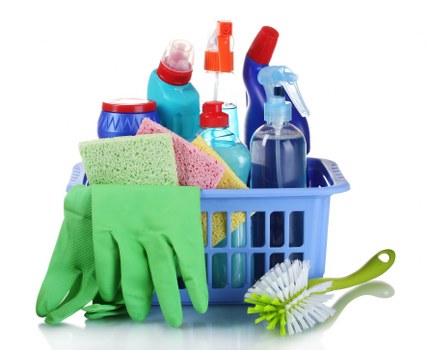
Keeping a small cleaning kit ready can also make a big difference. Include paper towels, enzyme cleaner, gloves, and absorbent cloths so you can respond quickly. For many pet owners, this simple preparation is one of the easiest ways to support long-term pet stain odour removal success.
Simple maintenance habits
- Vacuum carpets and rugs regularly
- Wash pet blankets and bedding weekly
- Clean litter boxes and pet areas often
- Use ventilation to reduce stale air
- Respond to accidents immediately
Final Thoughts on Pet Stain Odour Removal
Pet ownership should be enjoyable, not dominated by lingering smells. With the right approach, pet stain odour removal can be effective, practical, and long-lasting. The most important principles are quick action, the right cleaning solution, and full treatment of the affected area. By understanding the source of the odour and selecting the proper method for each surface, you can restore freshness and reduce the chance of repeat accidents.
From carpets and upholstery to hardwood and tile, each surface needs a thoughtful approach. Enzymatic cleaners, proper drying, and consistent prevention habits all play a role in keeping your home clean. And when stains are old, deep, or widespread, professional support can provide the extra power needed to finish the job properly.
If pet smells are affecting your comfort or indoor air quality, now is the time to act. Contact us today to explore professional pet stain odour removal options and enjoy a cleaner, fresher home environment.