Brick Lane carpet cleaning experts in Shoreditch: a practical guide to cleaner carpets, fresher rooms, and fewer headaches
If you live or work around Brick Lane, you already know the pace is lively, the footfall is heavy, and carpets can take a beating without warning. Mud from a wet pavement, coffee near a desk, pet mess after a long day, or just the general wear of busy London life can leave fibres looking tired fast. That is where Brick Lane carpet cleaning experts in Shoreditch come in: not as a luxury, but as a sensible way to protect your flooring, improve the feel of a room, and keep a place looking cared for.
This guide explains what local carpet cleaning usually involves, how to choose the right method, what results you can realistically expect, and when it makes sense to book professional help rather than trying another round with a shop-bought spray. It also covers nearby services that matter in real homes and workplaces, from professional carpet cleaning to steam carpet cleaning, plus the practical checks that help you avoid disappointment. Let's face it, nobody wants to spend a Saturday scrubbing a stain that only looks worse by Sunday.
Contents
- Why Brick Lane carpet cleaning experts in Shoreditch matters
- How Brick Lane carpet cleaning experts in Shoreditch works
- Key benefits and practical advantages
- Who this is for and when it makes sense
- Step-by-step guidance
- Expert tips for better results
- Common mistakes to avoid
- Tools, resources and recommendations
- Law, compliance, standards, and best practice
- Options, methods, and comparison table
- Case study or real-world example
- Practical checklist
- Conclusion
- Frequently asked questions
Why Brick Lane carpet cleaning experts in Shoreditch matters
Brick Lane sits in one of London's busiest, most characterful pockets, and that comes with a very ordinary problem: dirt gets tracked in constantly. Think damp shoes in winter, late-night spills, delivery traffic, shared entrances, and the kind of day-to-day grit that settles deep into carpet fibres before you notice. In a flat, office, cafe, studio, or short-let, that buildup does not just affect appearance. It changes how a space feels.
Carpets act a bit like a filter. They catch dust, crumbs, hair, pollen, and airborne particles. Over time, they can also hold odours, especially in rooms with pets, cooking, or heavy use. A quick vacuum helps, of course, but vacuuming alone does not shift the embedded grime that professional cleaning is designed to deal with. That is why local know-how matters. A decent cleaner should understand fibre types, stain behaviour, drying times, and the quirks of older properties versus modern commercial spaces.
In Shoreditch and Brick Lane, that practical knowledge matters even more because the mix of property styles is so varied. One job might involve a compact rental with synthetic carpet and high footfall; the next could be a delicate wool rug in a design-led apartment. Different materials, different risks, different methods. You need more than enthusiasm and a machine. You need judgement.
There is also a simple trust issue. A good local provider should be transparent about process, care, and limitations. If a stain is permanent, they should say so. If drying time may be longer because of thick pile or poor ventilation, they should say that too. That honesty is reassuring, really. It means you can plan properly instead of hoping for miracles.
How Brick Lane carpet cleaning experts in Shoreditch works
Professional carpet cleaning is usually a step-by-step process rather than a single spray-and-pray treatment. The exact method varies, but the logic is similar: inspect, identify, treat, clean, rinse or extract, then dry. Simple enough on paper. In practice, the little decisions are where experience shows.
First comes inspection. A cleaner should look at fibre type, pile direction, colourfastness, staining, and any areas of heavy wear. This matters because wool, synthetic blends, sisal-style textures, and delicate rugs all behave differently when moisture and heat are involved. If you have ever seen a patch go from "slightly dull" to "why is that a halo?" after a bad DIY attempt, you will know why this step is not optional.
Next comes pre-treatment. This may include targeted stain treatment, agitation, or a gentle solution designed to loosen soil before the main clean. For stubborn marks, a specialist stain removal approach may be needed, which is why services like stain removal can be useful when one patch needs separate attention.
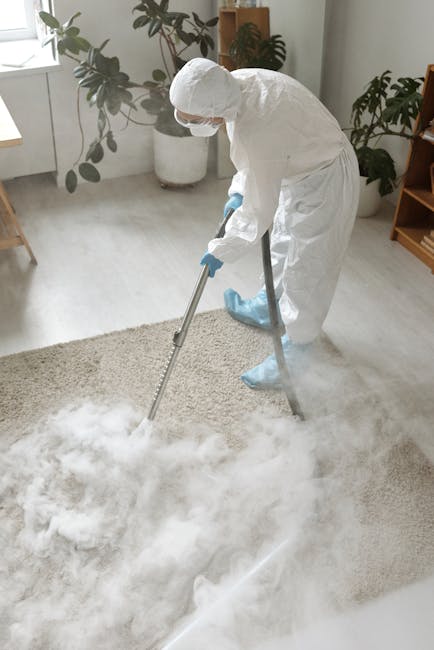
Then there is the main cleaning stage. Some jobs are best suited to hot water extraction, often described as steam cleaning in everyday conversation. Other jobs may call for lower-moisture methods or a more delicate approach. If a property has limited ventilation, busy foot traffic, or thin underlay, drying time becomes part of the decision, not an afterthought.
After the clean, the carpet should be checked again. Good operators look for any missed marks, texture changes, or areas that need a second pass. Finally, drying guidance should be given clearly. Open windows, use airflow if possible, avoid heavy foot traffic for a while, and do not rush furniture back too soon. It sounds obvious, but rushed drying is one of the fastest ways to undo good work.
Key benefits and practical advantages
There are obvious reasons to book a carpet clean, and then there are the less obvious ones that tend to matter just as much once you live with the result for a few days.
- Better appearance: Carpets look brighter, flatter, and more even in colour after embedded dirt is removed.
- Reduced odour: Spills, pet smells, and general stale indoor odour can be reduced noticeably.
- Improved hygiene: A thorough clean removes more than vacuuming alone can reach.
- Longer carpet life: Grit acts like sandpaper on fibres. Removing it can help carpets last longer.
- Better first impressions: This matters in rentals, customer-facing spaces, and shared homes.
- Less stress: Honestly, there is something calming about a room that smells fresh and looks looked-after.
There is another benefit people underestimate: confidence. When a carpet is clean, the whole room feels more usable. You are more relaxed having friends over. Staff are less distracted by worn-looking flooring. Guests notice, even if they do not say so. It is one of those background improvements that quietly lifts a place.
If you are managing commercial space, the benefits can be even more practical. Busy floors in receptions, studios, or offices often need maintenance as part of normal upkeep, not as a rescue mission after months of neglect. In those cases, commercial carpet cleaning can be a sensible route because it is shaped around use patterns, timing, and business continuity.
Who this is for and when it makes sense
This kind of service is useful for a wide mix of people. Some need help with a one-off mess. Others just want to stop their floors looking tired before a move, a guest visit, or a tenancy check. In Brick Lane, Shoreditch, and nearby streets, the most common situations tend to be pretty familiar.
- Homeowners and tenants: Especially if carpets have light traffic in some rooms and heavy use in others.
- Landlords and letting agents: Clean carpets help a property present better between tenancies.
- Flat shares: Shared living usually means more spill risk, more footfall, and more wear.
- Offices and studios: If people are in and out all day, carpets pick up dust and marks fast.
- Pet owners: For accident spots, lingering smells, and hair embedded in fibres.
- Anyone with allergies or sensitivities: A fresher carpet can help reduce the sense of stale dust, though it is not a medical treatment, obviously.
When does it make sense to book? A few signs are worth paying attention to. If vacuuming no longer makes the carpet look much better. If there is a smell you keep noticing after the heating comes on. If stains keep resurfacing after you clean them. Or if the carpet just looks tired, flat, and slightly grey compared with the walls. That is usually the point where a professional clean pays for itself in sanity alone.
For rugs, sofas, and upholstery in the same property, it often makes sense to group services together. A carpet might be the headline job, but the sofa and rug usually tell the same story. Related options like rug cleaning, sofa cleaning, and upholstery cleaning can make a room feel properly refreshed rather than half-done.
Step-by-step guidance
If you are trying to decide how to approach carpet cleaning in a practical way, here is the process that tends to work best. Not glamorous. Just sensible.
- Walk the property and note the problem areas. Look for stains, traffic lanes, smells, and crushed pile.
- Identify the carpet type if you can. Wool, synthetic, blend, and loop-pile surfaces all need different handling.
- Check for special concerns. Think pets, old dye transfer, food spills, or furniture marks.
- Decide whether the job is spot treatment or a full clean. A small stain may need targeted work, but widespread dullness usually needs the whole room treated.
- Ask about the method. Steam-style cleaning is effective for many carpets, but not every surface likes the same level of moisture.
- Prepare the room. Move smaller items, vacuum if requested, and clear access to edges.
- Plan drying time. In a compact Shoreditch flat with limited airflow, this can matter more than you think.
- Inspect the result before settling furniture back. Look at corners, edges, and shaded patches near windows where dirt often hides.
One small but useful tip: photograph problem areas before cleaning. Not for drama, just for comparison. It helps you judge whether a stain improved, stayed the same, or needs a second treatment. And yes, sometimes the light changes your opinion completely. Kitchens, hallways, and front rooms do that.
Expert tips for better results
Good carpet care starts before the cleaner arrives and continues after they leave. That sounds obvious, but the difference in outcome can be surprisingly large.
1. Vacuum thoroughly, but don't overdo damp spots. Dry soil is easier to remove than compacted grime. A proper vacuum first pass helps a lot.
2. Blot spills, never rub. Rubbing pushes liquid deeper and can distort the pile. Blotting is slower, yes, but it saves a mess from becoming a permanent story.
3. Be careful with home chemistry. A random cocktail of sprays can set a stain or damage fibres. If you have already tried a cleaner, tell the professional. That honesty helps.
4. Use airflow wisely. Open windows where possible, or create circulation with fans if appropriate. Drying faster usually means better results and less odour risk.
5. Ask about protection and aftercare. Some carpets benefit from a guard treatment after cleaning, especially in busy households or commercial spaces.
6. Match the method to the material. For delicate textiles in the same room, it may be worth considering curtain cleaning alongside the floor clean so the room does not feel uneven or dusty elsewhere.
In our experience, the best results usually come from people who are a little patient. Give the process time. Let the cleaner work methodically. Then let the carpet dry fully before judging it. A half-dry carpet can look fine in one light and a bit blotchy in another. That is normal, more or less, and it settles.
Common mistakes to avoid
Most carpet cleaning problems are avoidable. That is the annoying part, actually. A lot of damage comes from trying to be helpful too quickly.
- Using too much water: Over-wetting can lengthen drying time and leave residue or odour.
- Scrubbing stains aggressively: This can spread the mark and roughen the fibre surface.
- Ignoring fibre type: A method that works on synthetic carpet may not suit wool.
- Skipping pre-vacuuming: Dirt left on the surface gets moved around instead of removed.
- Rushing furniture back: Damp pressure marks and wicking stains are a real nuisance.
- Assuming every stain can be removed: Some marks are permanent, and good experts should tell you that upfront.
One mistake worth calling out separately is trying to solve an odour without addressing the source. If a pet accident has soaked into the backing or underlay, the surface may look fine while the smell returns later. In those cases, targeted pet stain and odour removal is often more appropriate than a general clean.
And here is the slightly awkward truth: cheap, rushed work often costs more in the end. It may seem fine for a day or two, then the marks reappear, or the carpet dries stiff, or the smell comes back. Not ideal. Not at all.
Tools, resources and recommendations
You do not need to own a full professional kit to keep carpets in decent shape, but a few sensible tools help between cleans.
| Tool or resource | What it helps with | Practical note |
|---|---|---|
| Quality vacuum cleaner | Routine dust and grit removal | Slow, overlapping passes usually work better than a quick skim. |
| Clean white cloths | Blotting spills | White cloths make it easier to see transfer and avoid dye bleed. |
| Gentle spot treatment | Small fresh stains | Test carefully first. Less is usually more. |
| Airflow or fans | Drying after cleaning | Helpful in flats where windows do not open wide. |
| Specialist support pages | Choosing related services | Useful if you need mattress cleaning or targeted stain treatment as part of the same refresh. |
If you are gathering quotes, the page on pricing and quotes is a useful place to understand how estimates are usually framed. It is also wise to ask what is included: pre-treatment, stain work, drying advice, moving furniture, and whether there are extra charges for awkward access or especially soiled areas. Clear answers are a good sign.
For peace of mind, look for a provider that also explains broader service standards. Pages such as insurance and safety, health and safety policy, and recycling and sustainability may sound formal, but they help you see how a company thinks about care, risk, and responsibility. Boring on the surface, useful underneath.
Law, compliance, standards, and best practice
For most homeowners, carpet cleaning is straightforward and low-risk. But in a commercial setting, or where cleaners are entering occupied homes, a few good-practice points matter more than people often realise.
Health and safety: Cleaners should work in a way that reduces slip risk, avoids unsafe electrical use around moisture, and handles chemicals carefully. You should not have to guess what was used on your flooring.
Insurance: Public liability insurance is often expected in professional cleaning work. You are not asking for a lecture, just sensible protection if something goes wrong.
Consumer clarity: A quote should be understandable. If a cleaner cannot explain what is included, the scope, or likely limitations, that is not a great sign.
Data and privacy: If you share booking details, access instructions, or contact information, a provider should handle that responsibly. The relevant business policies should be easy to find, along with practical pages like privacy policy, terms and conditions, and payment and security.
Complaints handling: If a service falls short, there should be a clear route for making it right. That is where a visible complaints procedure becomes useful. Not because you expect trouble, but because transparency builds trust.
Best practice is not glamorous. It is mostly about consistency, clear communication, and taking the job seriously. That's the bit clients notice, even if they never say it out loud.
Options, methods, and comparison table
Different carpet problems call for different approaches. There is no single best method for every situation, which is why a good cleaner should talk you through the options rather than pushing the same treatment every time.
| Method | Best for | Pros | Watch-outs |
|---|---|---|---|
| Hot water extraction / steam-style cleaning | General deep cleaning, embedded dirt, many household carpets | Strong soil removal, fresh finish, widely effective | Needs proper drying time and may not suit every delicate fibre |
| Targeted stain treatment | Isolated marks, spills, tracked-in stains | Focused, efficient, can save time | Not ideal if the whole carpet is dull or heavily soiled |
| Low-moisture cleaning | Areas needing quicker turnaround or gentler handling | Faster drying, often useful in busy spaces | May be less powerful for deep-set soil |
| Combined room refresh | Living rooms, rentals, offices, and move-out cleans | More consistent overall result | Needs broader planning and may take longer |
For many people around Brick Lane, the right answer is a blend: a deep carpet clean plus spot treatment for the worst marks. If the room also has upholstered furniture that looks dusty or marked, pairing the job with upholstery cleaning can make the whole space feel more complete. Truth be told, a fresh carpet next to a grubby armchair can feel a bit odd.
Case study or real-world example
Here is a realistic example. A small Shoreditch flat near Brick Lane had a light-coloured lounge carpet that looked fine at a distance, but close up it had traffic lanes, one old tea mark, and a faint stale smell after the radiators came on. The resident had tried a supermarket cleaner and a brush. The mark faded a little, then came back. Classic.
On inspection, the carpet turned out to be a synthetic blend with moderate wear, so a deeper clean was suitable. The cleaner pre-treated the traffic areas, treated the tea mark separately, and used a method with enough moisture to lift the dirt but not so much that drying became a headache. The room was left with clear drying guidance, and the resident kept the windows cracked open for a few hours. By the next day, the carpet looked lighter and the smell had dropped away noticeably.
The important bit was not magic. It was sequencing. Right method, right expectation, right drying time. The result felt better because the job respected the material. That is the difference between a rushed tidy-up and genuine carpet care.
Practical checklist
Use this quick checklist before you book or begin a carpet clean. It saves time and stops little things being forgotten.
- Identify the room or rooms that need attention.
- Note any stains, smells, or high-traffic lines.
- Check whether the carpet is wool, synthetic, or a blend if possible.
- Ask what cleaning method is recommended and why.
- Confirm expected drying time.
- Find out whether stain pre-treatment is included.
- Ask if furniture moving is included or needs arranging in advance.
- Check what aftercare is advised.
- Review the provider's pricing, insurance, and safety information.
- Plan ventilation so the room can dry properly.
If you want the room refreshed beyond the carpet, it can also be worth looking at curtain cleaning or rug cleaning. That extra step is not essential every time, but in many homes it makes a noticeable difference. Small details, big effect.
Conclusion
Brick Lane carpet cleaning experts in Shoreditch are valuable because they solve a very real local problem: busy spaces get dirty, and carpets hold onto that dirt more than most people expect. The best cleaners bring a practical eye, the right method, and enough honesty to explain what will and will not improve. That combination matters more than flashy promises.
If you are comparing providers, focus on clarity, material knowledge, aftercare, and trust signals such as insurance, policy pages, and transparent pricing. That is usually the fastest path to a result that feels genuinely worth it. A clean carpet does not just look better. It changes how the room feels when you step into it, and that matters more than people admit.
Get a free quote today and see how much you can save.
When a room feels fresher underfoot, the whole place seems a little easier to live in. Simple as that.
Frequently Asked Questions
What do Brick Lane carpet cleaning experts in Shoreditch usually do?
They inspect the carpet, identify the fibre type and problem areas, pre-treat stains, clean the carpet using an appropriate method, and guide you on drying and aftercare. The good ones explain the process clearly rather than just turning up with a machine.
How often should carpets be professionally cleaned?
It depends on traffic, pets, children, and the type of property. A quiet spare room may only need occasional attention, while a busy hallway or office entrance may need cleaning more regularly. If the carpet starts to look dull or smell stale, that is usually a sign.
Is steam carpet cleaning safe for all carpets?
Not always. Steam-style cleaning is effective for many carpets, but delicate fibres and certain constructions need a more cautious approach. A proper expert should assess the material first and choose the safest suitable method.
Can carpet cleaning remove old stains completely?
Sometimes yes, sometimes no. Fresh stains are usually easier than old ones, and some marks can permanently alter the fibre or dye. A trustworthy cleaner should set realistic expectations rather than promise perfection every time.
How long does a carpet take to dry after cleaning?
Drying time varies with the cleaning method, carpet thickness, ventilation, and room temperature. Thin synthetic carpets may dry fairly quickly, while thicker or more absorbent carpets can take longer. Good airflow helps a lot.
Do I need to vacuum before a professional carpet clean?
Usually yes, unless the provider says otherwise. Removing loose dirt first helps the main clean work better. It is one of those small jobs that makes a bigger difference than it feels like it should.
What is the difference between carpet cleaning and stain removal?
Carpet cleaning focuses on the whole floor covering, lifting dirt and refreshing the surface overall. Stain removal targets one specific mark or patch. Often, the best outcome comes from using both together.
Are carpet cleaning services useful for rented homes?
Yes. Clean carpets can help a rental property present better between tenancies and make the space feel more welcoming. They are especially useful if the carpet has visible wear, pet odours, or stubborn marks.
Should I book rug or upholstery cleaning at the same time?
If those items are in the same room and looking tired, it can make sense to do them together. A freshly cleaned carpet next to dusty rugs or marked sofas can feel uneven, so a combined clean often gives a more complete result.
How do I know if a carpet cleaner is trustworthy?
Look for clear communication, sensible explanations, visible policy information, and a willingness to discuss limitations as well as benefits. Pages such as insurance, terms, pricing, and complaints handling are reassuring signs that the business is organised and accountable.
What should I do if a stain comes back after cleaning?
Sometimes residue or deep-soaked liquid can rise back to the surface as the carpet dries. If that happens, speak to the cleaner promptly and explain exactly what you see. A proper follow-up can often solve it, or at least diagnose the cause honestly.
Can carpet cleaning help with pet smells?
Yes, especially if the smell is in the carpet fibres or near the surface. If the issue has soaked deeper, targeted pet stain and odour treatment may be more suitable than a standard clean alone. It depends how far the problem has travelled.